
Getting PVC windows ready for winter: 6 steps you can do yourself
Date: 23/10/2026
Author: Filip
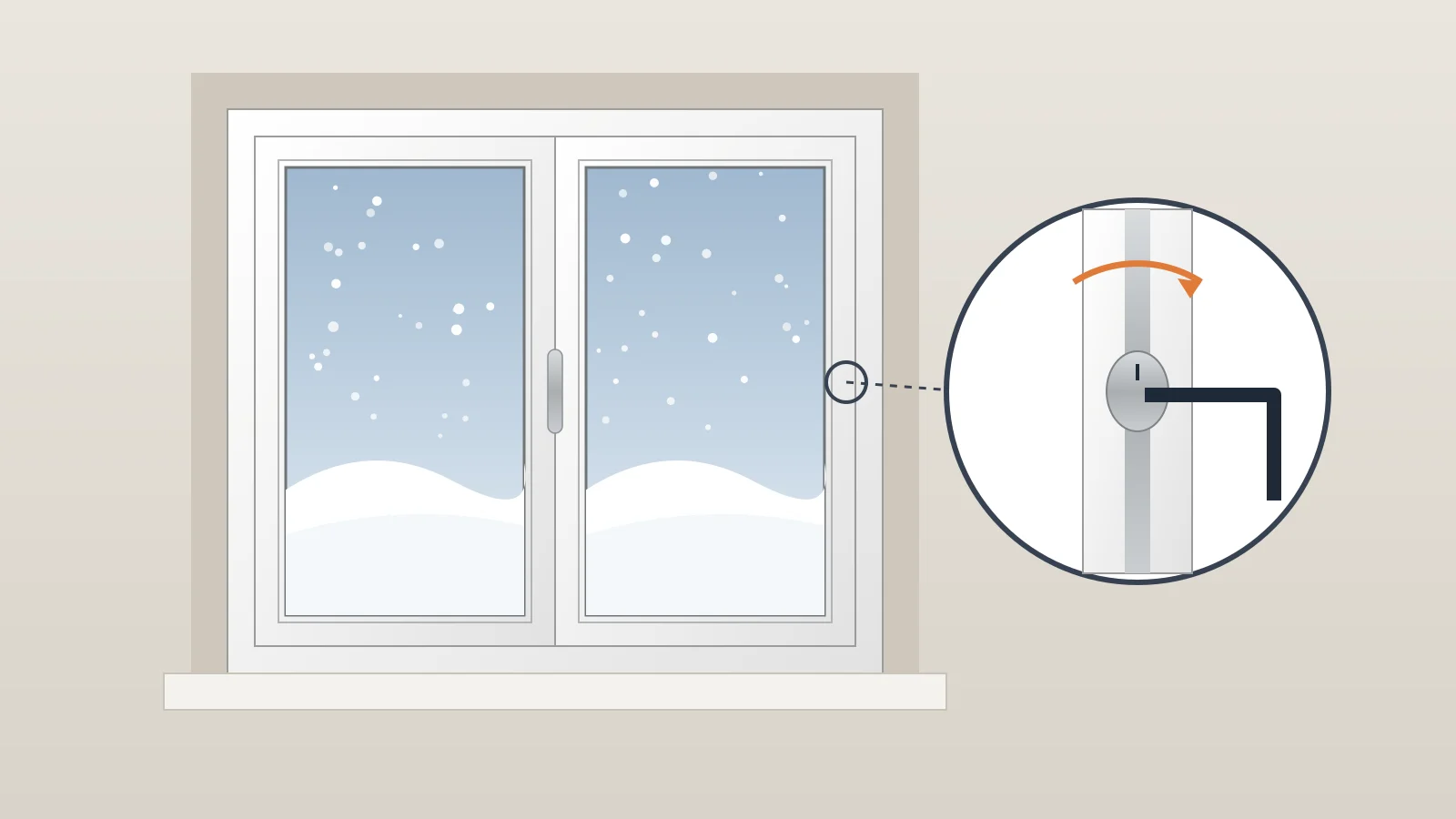
Before the first frost it's worth spending a few minutes on each window. With a few simple steps your PVC windows seal better, drafts disappear, the hardware runs smoothly and condensation stays under control. You can do most of it yourself, with tools you already have at home.
1. Switch the hardware to winter mode
Most tilt-and-turn PVC windows have eccentric cams: small rollers along the edge of the sash that slide into keepers on the frame when you close it. Turning them presses the sash harder against the seal. In summer a lighter pressure is enough (the seal wears less); in winter a firmer one keeps out drafts.
- Open the sash and find the cams along its edge (usually 4 to 8 of them).
- Each has a mark (a line or a dot). Turn it with an Allen key or pliers so the mark faces the room side: on most hardware that is the firmer setting.
- Set every cam on a sash the same way, then close the window. The handle should feel a little stiffer than in summer, but never need force.
- In spring, turn them back to the middle position.
If the sash is hard to close after adjusting, or the handle won't turn all the way, turn the cams back one step. Not all hardware has this option; if yours has no adjustable cams, skip this step.
2. Check and care for the seals
The rubber seals are what really keep the heat in. Wipe them with a damp cloth and mild detergent, let them dry and apply a silicone- or glycerine-based rubber care product. Don't use oil, petroleum jelly or anything petroleum-based: over time it makes the rubber harden and crack.
If a seal is cracked, flattened or has come loose somewhere, replace it. It's a small job, and the window seals like new again.
3. Lubricate the hardware
Once a year, put a drop of acid-free oil (or hardware spray) on the moving parts and locking points, then open and close the window a few times. Wipe off the excess. Hardware that moves smoothly wears less and doesn't stiffen in the cold.
4. Clear the drainage slots
At the bottom of the frame, on the outside, there are small slots that let water out. When leaves and dust block them, water stays in the frame and freezes in frost. Clear them with a thin stick or a vacuum.
5. Check the joints around the window
Drafts often come not through the window but around it: through cracked sealant between the frame and the wall, or under the outside sill. Check the joints inside and out. A quick test of the sash pressure: close the window on a sheet of paper. If you can pull it out without resistance somewhere, the sash isn't pressing hard enough there.
6. Air the rooms the smart way and avoid condensation
New PVC windows seal well, so moisture from cooking, showers and breathing stays inside unless you let it out. The best way is short, full airing:
- Open the windows wide for 5 to 10 minutes, two or three times a day, instead of leaving them tilted all day. Tilting cools the walls around the window while hardly changing the air.
- Keep indoor humidity between 40 and 60 percent; a cheap hygrometer is enough to check.
- Don't block the radiator under the window with heavy curtains or furniture: warm air should reach the glass.
Condensation on the inside edge of the glass means the humidity is too high, not that the window is bad. Condensation on the outside on a cold morning is actually a good sign: the glass insulates so well that it doesn't warm up outside. Only condensation between the panes means a fault: the glazing unit has lost its seal and needs replacing, but not the whole window.
When to call us
- The sash drags or scrapes on the frame (it has dropped and needs adjusting).
- Drafts remain after adjusting the cams.
- Fog or droplets appear between the panes.
- The handle sticks or the sash won't lock.
Free measuring and advice: +381 64 1284447or [email protected]
Conclusion: Winter mode on the hardware, clean and cared-for seals, clear drainage slots and regular short airing solve most winter window problems. If there are still drafts after that, a sash drags, or fog appears between the panes, get in touch and we'll come and take a look.
Latest Posts
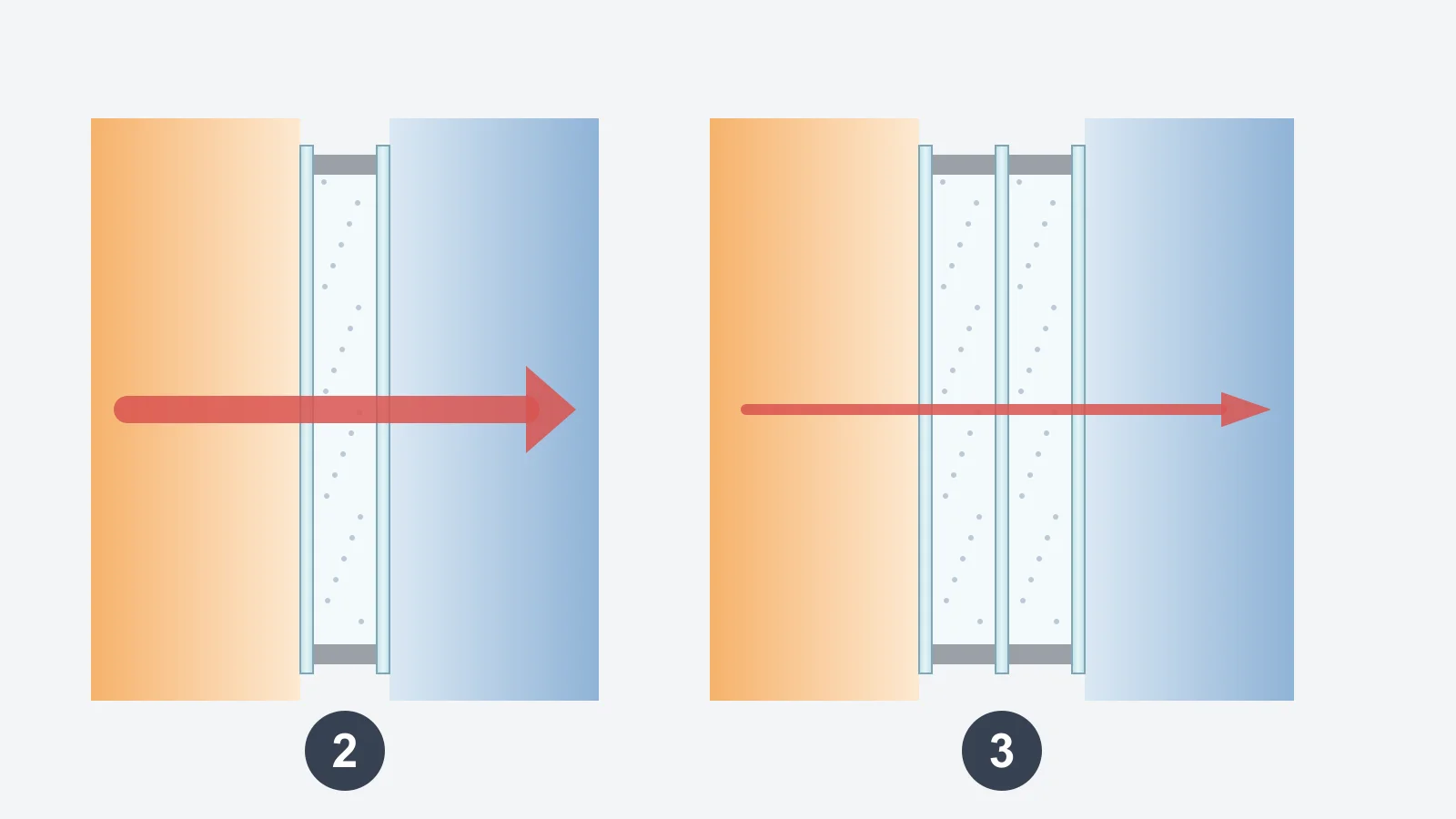
Double or triple glazing: what really pays off?
23/10/2026
Filip
How much triple glazing really saves, when it pays off, and when you're better off with good double glazing and insulation.
Read more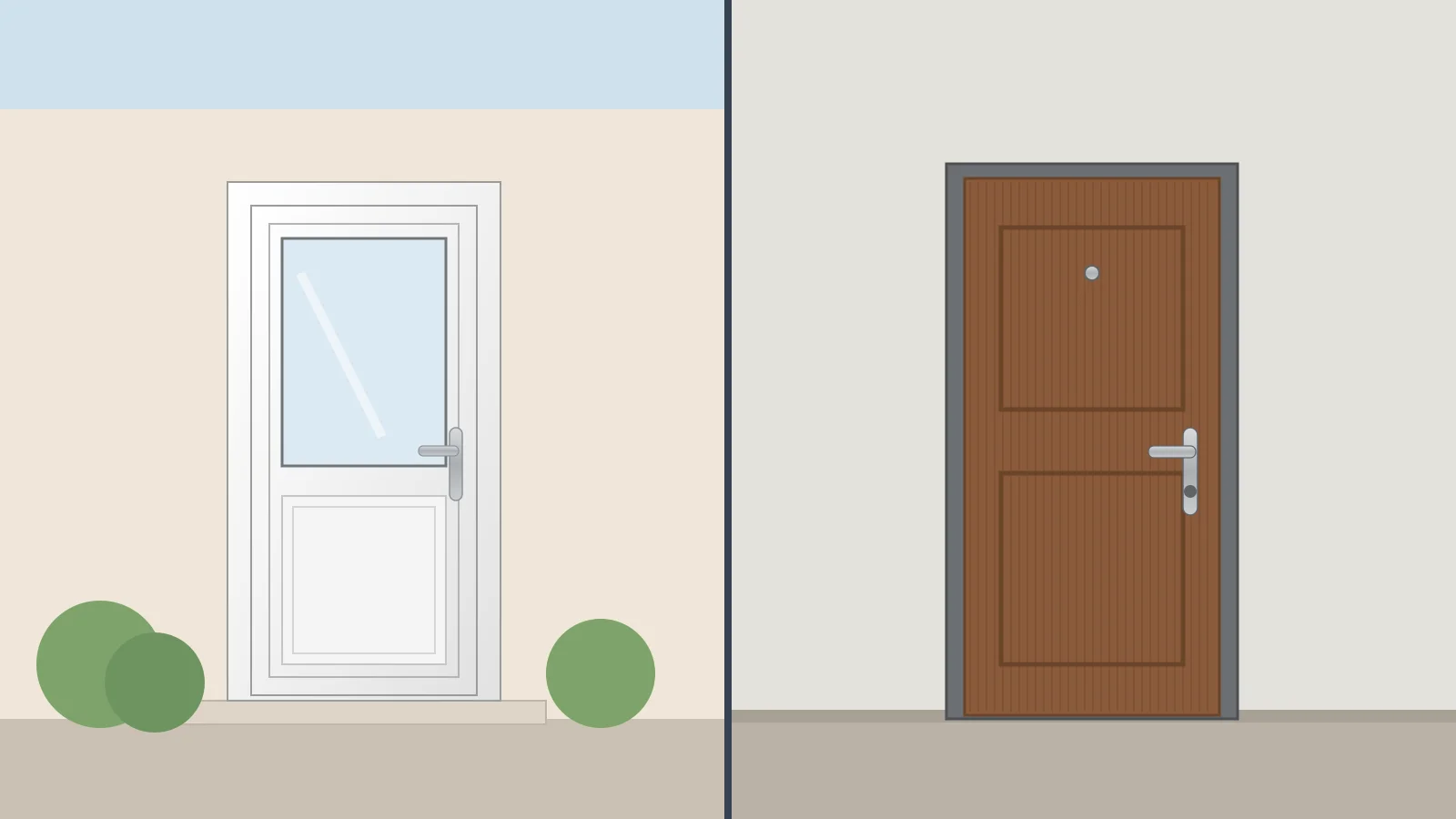
PVC or security entrance door: which to choose for a house, and which for a flat
23/10/2026
Filip
An entrance from outside and one from a building's hallway need different doors. The advantages of PVC entrance doors and of security doors, and what to look for.
Read more